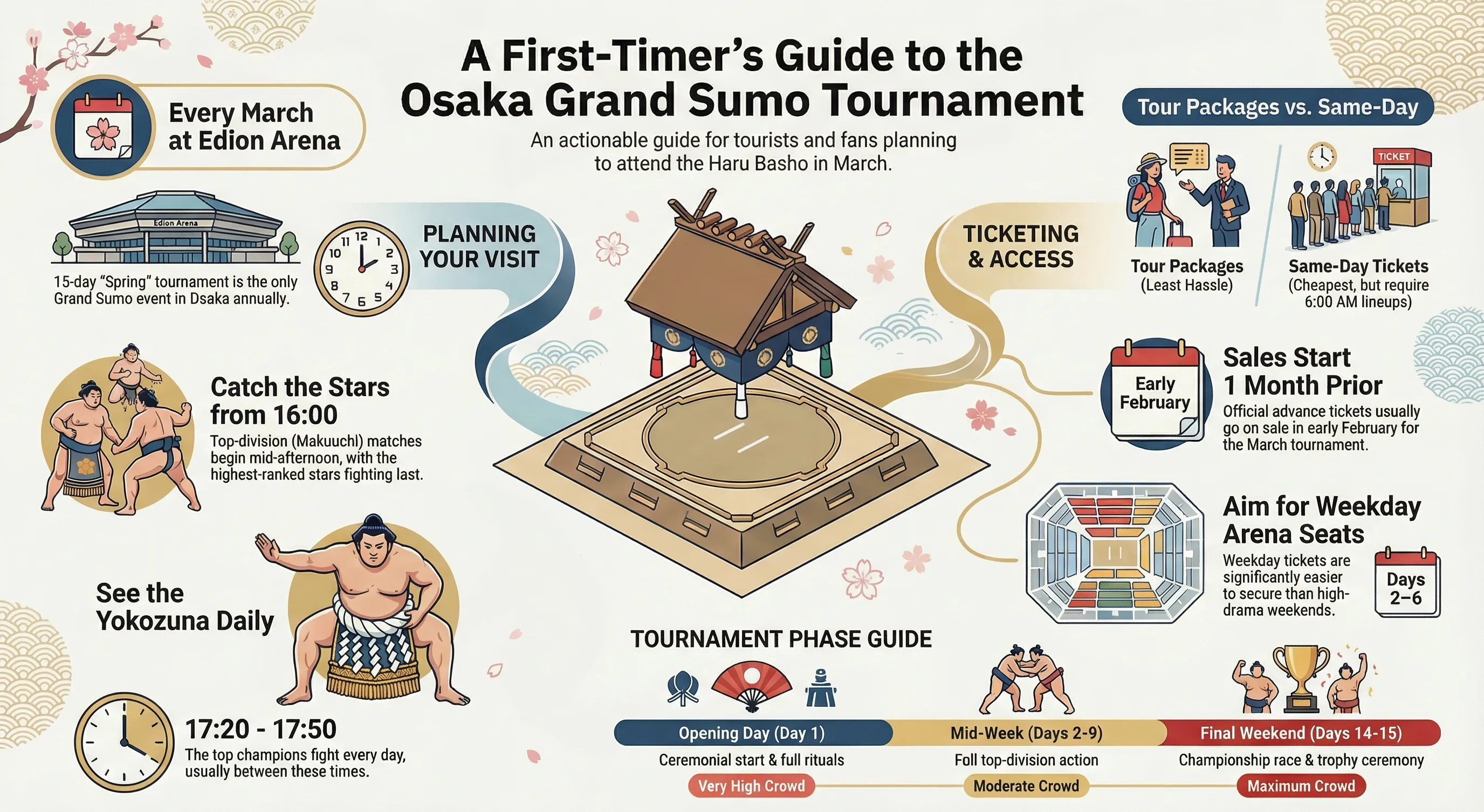
Edion Arena Osaka hosts one of the six annual Grand Sumo Tournaments: the March "Spring" (Haru) Basho, a full 15‑day Grand Tournament held there every year.
1. Which sumo tournaments are at Edion Arena Osaka?
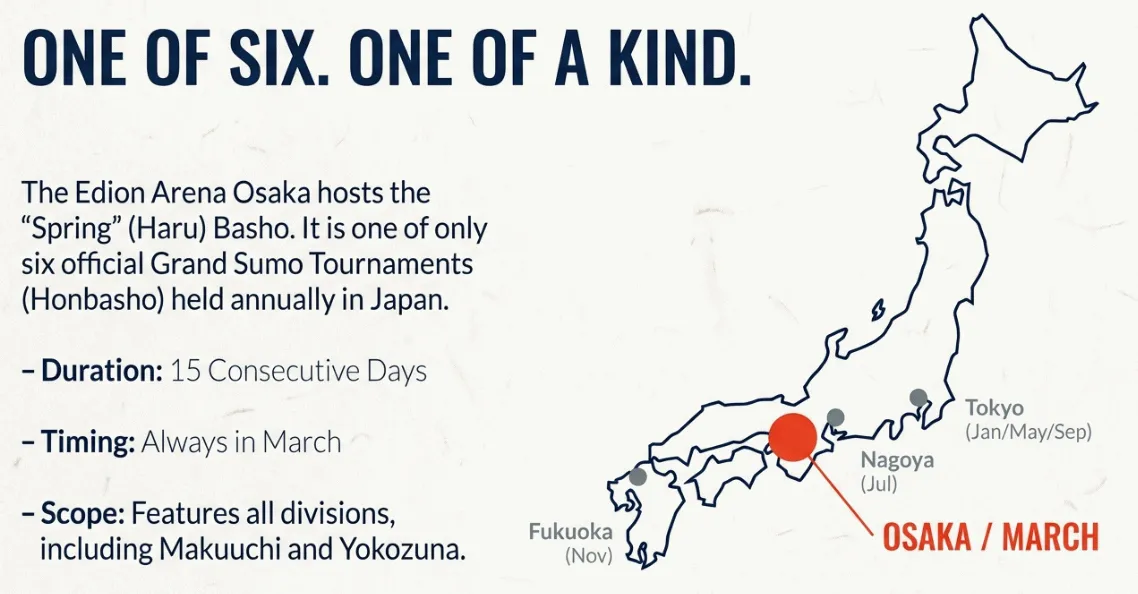
- The arena is the fixed venue for the March Grand Sumo Tournament (Haru Basho), one of the official six honbasho on the Japan Sumo Association calendar.
- It runs for 15 consecutive days, always in March, and features all divisions, including the top makuuchi division and yokozuna/ozeki (if active).
There is only one Grand Sumo Tournament per year in Osaka; the others are in Tokyo (January, May, September), Nagoya (July), and Fukuoka (November).
2. Upcoming and recent Osaka tournaments
- 2026 March Tournament (Osaka) – Haru Basho
- Dates: March 8–22, 2026
- Venue: Edion Arena Osaka (Osaka Prefectural Gymnasium)
- 15 days of matches from morning to around early evening (roughly 9:00–18:00).
- Advance ticket sales start February 7, 2026, according to both the Sumo Association and the official ticketing site Ticket Oosumo.
- 2027 March Tournament (Osaka)
- Dates: March 14–28, 2027
- Venue: Edion Arena Osaka
The pattern is consistent year to year: a 15‑day Osaka Haru Basho every March at Edion Arena.
3. Daily schedule and what to expect
Typical Haru Basho day at Edion Arena Osaka:
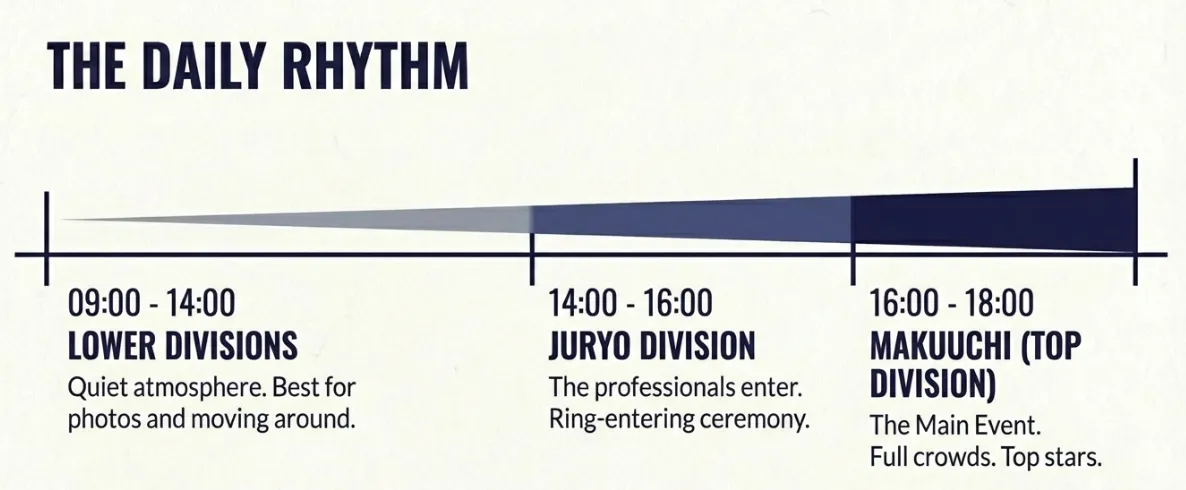
- Morning (around 9:00–14:00): Lower divisions (jonokuchi, jonidan, sandanme, makushita) – good for watching up close with smaller crowds.
- Afternoon (around 14:00–18:00): Juryo and then top division (makuuchi). Top‑division bouts usually begin from around 2 pm, with the biggest stars and yokozuna in the last hour or so.
- You can generally enter and exit during the day with a valid ticket on that date, so some people come early and stay all day; others arrive mid‑afternoon just for the top bouts.
4. Tickets for Osaka sumo at Edion Arena
Key points for attending the Osaka Haru Basho:
- Where to buy:
- Official international sales: Ticket Oosumo (sumo.pia.jp) for English‑friendly online purchasing.
- Japanese ticketing platforms (e.g., Ticket Pia, Lawson Ticket, e+), and sometimes travel agencies and guided tour packages.
- Why a guided tour package might be your best option
- When they go on sale:
- For 2026 Osaka: from February 7, 2026 (Japan time).
- Similar timing every year: usually about one month before the tournament.
- Seat types and price ranges (typical):
- Box seats (masu‑seki): Tatami-style floor boxes for 4 people near the dohyo; more expensive but very immersive.
- Arena (chair) seats: Conventional seats around the upper bowl; cheaper and more comfortable, with prices often starting around 3,500–4,000 yen for the back rows, rising for better locations and weekend/final days.
- Final days and weekends sell out first, especially finals day (Day 15) and key days in the last week.
5. First-time visitor guide to sumo at Osaka's Edion Arena
Here is a simple, practical guide for a first‑time visitor to sumo at Osaka's Edion Arena, focusing on how to avoid the stressful "official ticket" process but still stay safe and legitimate.
5.1 Best low‑hassle ways to get tickets
Think of three levels:
Option 1 – Join a tour with ticket included (least hassle)
- Book a sumo viewing tour on big platforms (Klook, GetYourGuide, Viator, etc.).
- The tour price already includes the official ticket, plus an English‑speaking guide or audio and sometimes extras (workshop, chanko‑nabe, etc.).
- You just:
- Choose a date and pay online (like any normal tour)
- Meet the guide at the time and place they tell you
- Follow them into Edion Arena and enjoy
Why this avoids hassle
- ✅ No fighting with Ticket Oosumo website, no Japanese forms, no seat maps.
- ✅ Almost no risk of scam because tickets come through official channels via a reputable company.
- ✅ You get explanations of rules and rituals in English, very helpful for first‑timers.
Downside: More expensive than buying your own ticket, and dates are limited.
Option 2 – Same‑day tickets at Edion Arena (cheap, no online stress)
- On tournament days, the Sumo Association sells a small number of same‑day "tojitsuken" tickets directly at the arena.
- You line up in the morning, buy a ticket at the official window, and go in later that day.
How to do it (simple version)
- Choose a weekday early in the 15‑day tournament (first week is best).
- Go to Edion Arena Osaka very early:
- Weekday: around 7:00
- Weekend / later in tournament: 6:00 or earlier
- Look for the line for same‑day tickets / 当日券 (tojitsuken).
- When the window opens (around 8:00–9:00), buy your ticket (usually upper arena seat, cheap).
- Keep ticket, come back later in the day for the matches.
Why this avoids hassle
- ✅ No websites, no accounts, no payment issues – just a line and a window.
- ✅ Official staff sell you a valid ticket; no middlemen, no scalpers.
Downside: You must wake up early and there is no 100% guarantee (very popular days can sell out).
Option 3 – Official Ticket Oosumo, but "easy mode"
If you still want to use the official English site (Ticket Oosumo) but with less stress: sumo.pia
- Choose a weekday, mid‑tournament (Days 4–9) – much easier than weekends or final days.
- Decide in advance: aim for regular arena seats (C/B class), not boxes.
- Check the sale start time for Osaka (usually about 1 month before tournament).
- Be online 10–15 minutes before, log in, and only target one date + one seat type.
- Accept that the system assigns seats automatically; do not waste time trying to choose exact spots.
This is still some hustle, but much less if you avoid peak days and fancy seats.
5.2 Simple first‑timer plan for the day
No matter how you got your ticket:
- When to go
- If you want the full atmosphere: arrive late morning or around noon.
- If only the top division: arrive by 13:30–14:00; the big stars fight in late afternoon.
- What to do at the arena
- Walk around, see wrestlers arriving, buy snacks/merch.
- Watch lower‑division matches first – you can move more easily and take photos (no flash).
- Basic etiquette
- Keep quiet during ceremonies and key moments.
- Take photos without flash; follow announcements.
- Do not stand up/walk during big bouts near you – move between matches.
5.3 Quick decision guide
- "I hate complicated websites, I just want everything done for me."
→ Book a sumo tour with ticket included (Klook/GetYourGuide/Viator, etc.). - "I'm on a budget and can wake up early."
→ Aim for same‑day tickets at Edion Arena on a weekday in the first week. - "I'm okay with some online work if it's cheaper."
→ Use Ticket Oosumo, but choose a weekday arena seat, not finals or weekends.
For a Grand Sumo Tournament like the Osaka Haru Basho at Edion Arena, the "peak" days and when you see the yokozuna are about two different things:
- Peak days = which dates are most intense / crowded / expensive
- Yokozuna timing = what time of day and on which days you see the top champions
Below is a clear breakdown.
6. Peak days of the 15‑day tournament – and why
Each basho runs for 15 days, from Sunday to Sunday. Not all days feel the same.
6.1 The main "peak" days everyone targets
- Opening Day (Day 1 – first Sunday)
- Big ceremonial start, full rituals, strong atmosphere.
- Many Japanese fans love being there when the tournament begins.
- Often sells out or is very busy, especially in Osaka where fans are loud and enthusiastic.
- Middle Sunday (Day 8)
- Only two weekends in the whole basho; both are very popular.
- By Day 8, the storylines are forming: you start to see who is in good form and who is struggling.
- Great energy plus it's a weekend, so families and casual visitors can come.
- Final Weekend (Days 14–15)
- Day 14 (Saturday): Often crucial for the title race; many wrestlers are 7–6 or 6–7 and fighting for winning records (kachi‑koshi) or to avoid demotion.
- Day 15 (Sunday, "senshuraku"):
- The championship is usually decided on this day – sometimes with playoff bouts.
- Full ceremony at the end (awarding of Emperor's Cup, trophies, bow‑twirling ceremony) and maximum drama.
- Tickets are hardest to get and usually most expensive compared with middle days.
- Fridays & Saturdays in the second week (Days 12–14)
- Title race is becoming clear, and many wrestlers are at 6–5 / 7–6 etc., making each bout critical.
- Weekend plus high stakes = very strong demand and a loud, packed crowd.
6.2 Why these days are considered "peak"
- Championship drama: The closer you get to the end, the more each bout matters for the yūshō (championship) and for promotion/demotion.
- Convenient for locals: Weekends and holidays mean more casual fans, families, and groups.
- TV and media focus: Final days get more coverage, highlight programs, and sometimes special guests, increasing hype.
6.3 If you want to avoid peak‑day hassle
- Choose weekdays in the first half (e.g., Days 2–6). These are:
- Easier tickets (both advance and same‑day)
- Cheaper in some categories
- Still give full top‑division bouts and yokozuna matches if a yokozuna is competing
7. When can you see the yokozuna?
There are two parts: which days and what time of day.
7.1 On which days does a yokozuna fight?
If a yokozuna is healthy and participating in the tournament:
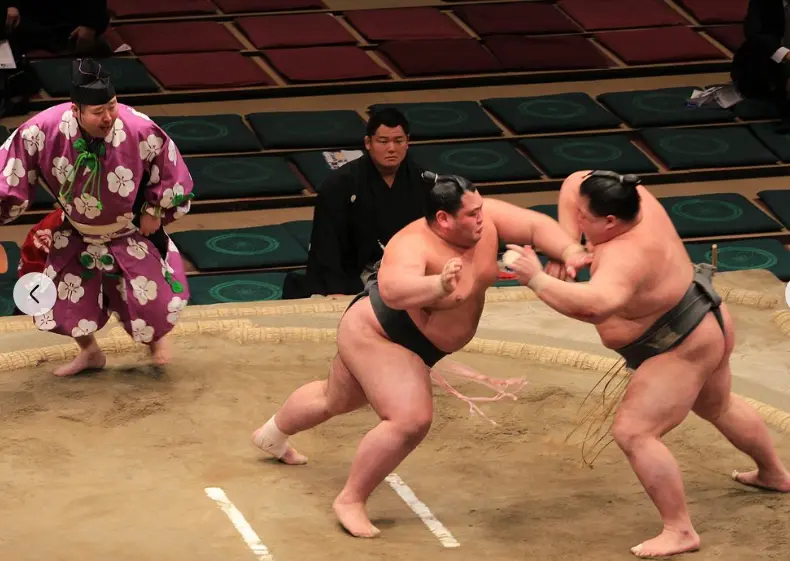
- He is scheduled to fight on every single day (all 15 days) of the basho.
- In practice, if injured he may withdraw (kyūjō). But as long as he is on the banzuke and not withdrawn, you can expect him to have a bout each day.
The match‑making is designed so that:
- The highest‑ranked wrestlers fight each other in the second week, and
- Ideally, the championship race and potential yokozuna matches decide the yūshō in the last days.
7.2 What time of day will you see the yokozuna?
On a typical tournament day (including Osaka):
- Morning to early afternoon – Lower divisions (jonokuchi up to makushita)
- Around 14:00–15:00 – Jūryō division bouts and ring‑entering ceremony (sekitori second division)
- Around 15:30–16:00 – Makuuchi ring‑entering ceremony; the top division begins
- Late afternoon, roughly 16:00–18:00:
- All makuuchi bouts take place
- The highest‑ranked wrestlers fight last, so:
- Ozeki, then
- Yokozuna in the very final or near‑final bout of the day (the musubi‑no‑ichiban, "last bout").
So in simple terms:
- To see the yokozuna, be in your seat by around 16:00.
- The actual yokozuna bout is usually between about 17:20 and 17:50, depending on the day's pace.
- If you arrive at 14:00–15:00, you will comfortably see:
- Jūryō
- Full makuuchi
- Yokozuna ring‑entrance ceremony and his match, plus the closing bow‑twirling ceremony.
8. Putting it together: what day/time is best for you?
If you want maximum drama + see the yokozuna
- Aim for: Second Friday, Saturday, or final Sunday (Days 13–15).
- Arrive by around 14:00; stay to the very end (around 18:00) to see the yokozuna bout and championship ceremony if it's Day 15.
If you want to avoid ticket stress but still see a yokozuna
- Aim for: A weekday in the first week (Days 2–6).
- It's easier to get tickets (especially same‑day) and still full top‑division action.
- Be in the arena from ~15:00 until the end; you will see the yokozuna bout with almost the same ceremony, just with less championship pressure.
If you only care about catching a glimpse of the yokozuna, not the whole day
- Arrive after lunch and be seated by 16:00 at the latest.
- You will:
- See the makuuchi ring entrance
- Watch all top‑division bouts
- See the yokozuna's fight near the end of the session.
Related Guides
First-Timer's Sumo Guide
Tickets, timing, etiquette, and arena navigation — everything you need before attending your first sumo experience.
First-Timer Guide →Top Wrestlers to Watch
Know the Yokozuna, Ozeki, and rising stars before you arrive — including champion Kirishima and Yokozuna Hoshoryu.
Wrestler Profiles →2026 Haru Basho Results
Full tournament standings, key storylines, and Kirishima's Ozeki promotion from the 2026 March Grand Tournament.
Tournament Results →